

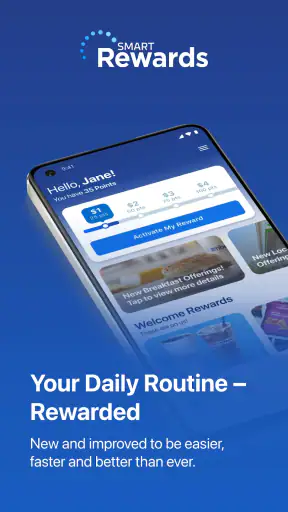
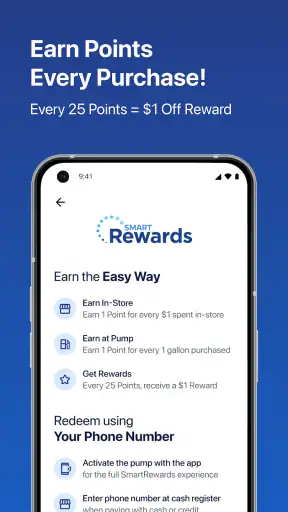
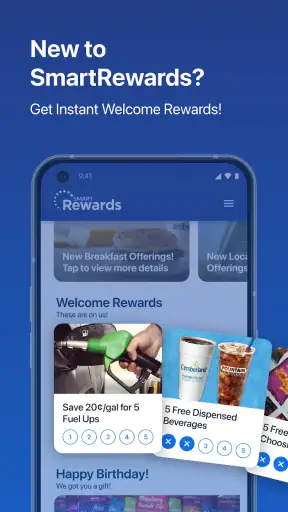
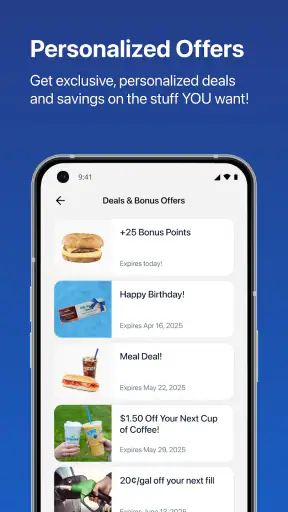
SmartRewards: Cumberland Farms is the kind of lifestyle app I would install for one simple reason: I already stop at Cumberland Farms and want those visits to feel a little more worthwhile. Developed by Cumberland Farms, it brings the company’s discounts, savings, and rewards into a mobile format rather than leaving them scattered across paper offers or easy-to-forget promotions. It is free, available for everyone, and has grown into a familiar choice with more than a million installs, a 4.2 average from roughly 37 thousand ratings, and about 16 thousand written reviews.
My first impression is that this is not trying to be a general shopping platform or a broad budgeting tool. It is a focused loyalty app for Cumberland Farms customers. That focus is its main advantage and also its biggest limitation. If you regularly buy fuel, drinks, snacks, or other everyday items at Cumberland Farms, the app can make those trips easier to organize around savings. If you rarely visit one of its locations, there is much less reason to keep it installed.
What to expect before your first visit
The SmartRewards experience is built around the relationship between the app and your Cumberland Farms purchases. I would approach it as a companion for routine stops, not as an app that creates value by itself. The useful moment comes when you are about to shop, check what is available, and then make sure the visit is connected to your rewards activity.
That distinction matters because loyalty apps often disappoint people who expect instant savings simply for downloading them. SmartRewards is more practical than that. Its value depends on whether the available discounts fit what you were already planning to buy and whether you remember to use the app at the right point in the visit.
The store summary presents it as a place for discounts, savings, and rewards, while the short description identifies the service as SmartRewards. In daily use, I would think of those three ideas as separate jobs. Discounts can influence what I choose today, savings can reduce the cost of a planned purchase, and rewards give me a reason to return to the same program instead of treating every stop as a one-off transaction.
Because it is a Cumberland Farms product rather than an independent coupon marketplace, the app makes the most sense for people whose shopping already overlaps with the brand. A commuter who stops several times a week has a different experience from someone who visits only during a long road trip. The first user can build a habit around checking the app; the second may find that setup takes more effort than the occasional benefit is worth.
I also like that the age rating is Everyone. That makes the app approachable for households where one person handles the account but another person makes the actual purchase. Still, an Everyone rating does not mean every screen will be equally obvious to every user. The important part is learning the sequence: open the app before shopping, look for the relevant offer or reward, and complete the purchase in a way that lets the program recognize the visit.
How I would set it up the first time
I would install SmartRewards before arriving at the store, not while standing in line or beside the pump. The first session is the right time to create or access the rewards account, review the main screen, and understand where the current offers and account activity appear. Doing this calmly at home removes the pressure of making decisions while other customers are waiting.
My advice is to use an email address or account detail that you can reliably access later. Loyalty programs become frustrating when people create an account quickly and then cannot remember which login they used. I would also take a moment to look through the app’s navigation instead of immediately closing it after registration. The small amount of orientation pays off when you are in a hurry.
The first setup should have one clear goal: make sure you can identify your rewards account and locate the place where savings or offers are shown. You do not need to explore every screen before your first purchase. In fact, trying to understand everything at once can make a straightforward app feel more complicated than it is.
Before relying on an offer, I would read its wording carefully. Loyalty promotions can have conditions about the eligible product, the timing of the purchase, or the way the reward is applied. I would not assume that seeing an offer on the screen means every item in the store qualifies. This is one of the most important habits with SmartRewards: treat the offer details as instructions, not as decorative text.
I would also avoid waiting until the final seconds of a transaction to open the app. A slow connection, a forgotten login, or a screen that needs refreshing can turn a small saving into an awkward interruption. Opening the app before entering the store gives me time to see what is available and decide whether it is relevant.
The first meaningful success
For a new user, the first successful action should be modest and easy to verify. I would choose one planned Cumberland Farms purchase, check SmartRewards beforehand, and use the available reward or discount exactly as described. The goal is not to maximize savings immediately. It is to confirm that the account, the offer, and the purchase process all line up.
A realistic example would be a morning commuter who already plans to stop for coffee and a snack. Before leaving home, the commuter opens SmartRewards and checks whether an offer matches that routine purchase. At the store, the commuter follows the app’s instructions instead of assuming the discount will appear automatically. Afterward, the account activity or reward status becomes the useful confirmation that the first visit was connected correctly.
That small test is better than building a large shopping trip around an untested promotion. If something does not work as expected, the user has learned the process without making the problem expensive or difficult to untangle. Once the first purchase feels familiar, the app becomes much less demanding because checking it can become part of the normal Cumberland Farms routine.
I would save a mental reminder to check SmartRewards at two moments: before leaving for a planned stop and before making an unplanned purchase. The first check helps with preparation; the second prevents me from forgetting the app when I happen to pass a store. This two-part habit is more useful than opening the app randomly, because it connects the rewards program to an actual buying decision.
One non-obvious trade-off is that the best offer is not always the best purchase. A discount can still encourage unnecessary spending if I buy something only because it appears in the app. I use SmartRewards most effectively when it lowers the cost of something I would have bought anyway. That keeps the loyalty program working for my budget rather than quietly changing my shopping habits.
Where new users may get confused
The most common confusion with a rewards app is the difference between seeing a benefit and successfully applying it. SmartRewards may show a saving that still requires a particular action at checkout. I would never close the app after merely reading an offer and assume the transaction is complete. The safest approach is to follow the displayed instructions from start to finish and then check the account afterward.
Another point that can trip people up is timing. An offer that looks useful when viewed at home may no longer be the relevant offer when the purchase happens. I would make a quick final check before paying, especially if the visit was planned several hours earlier. This is not busywork; it reduces the chance of relying on an outdated screen or misunderstanding which reward I intended to use.
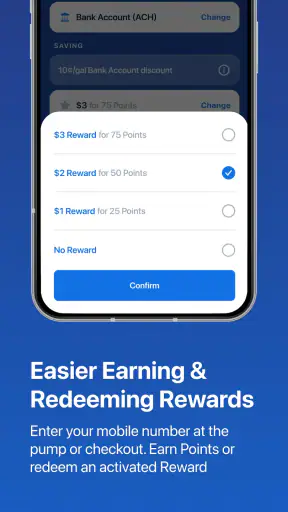
People can also confuse a reward balance with an immediate discount. Those are not always the same kind of benefit. A discount may affect the current purchase, while a reward may be something accumulated for later use. I recommend reading the account area as carefully as the offer area so I know whether I am saving now, earning for a future visit, or simply viewing my activity.
There is a practical human problem too: phones are often used while carrying a drink, standing at a register, or moving between a car and a store. I would prepare the app before reaching the counter rather than trying to navigate with one hand during payment. This is a small workflow change, but it makes the experience feel much smoother.
If a reward does not appear as expected, I would first retrace the sequence instead of immediately blaming the app. Did I check the offer conditions? Did I use the correct account? Did I complete the purchase in the required way? Did I give the app enough time to update? These questions help separate a missed step from a technical problem and make any later support request more useful.
The app’s popularity suggests that many users find the basic idea worthwhile, but a large user base does not remove the need for attention. Loyalty tools reward consistency. They are less forgiving when I treat them as passive coupon folders that can be ignored until the last moment.
Using it as part of a weekly routine
After the first successful visit, I would not check SmartRewards every hour. That would turn a simple savings tool into another source of digital clutter. Instead, I would connect it to predictable routines: the weekday commute, a regular fuel stop, or the weekly trip for quick household items. The app works best when the checking habit takes only a moment and is attached to a visit that was already going to happen.
A useful advanced habit is to compare the offer with the full purchase plan before entering the store. If the app highlights a snack but I need fuel and a drink, I ask whether the offer genuinely improves the trip or merely adds something extra. This keeps the reward decision grounded in what I need. It also helps me notice the difference between a convenient saving and a tempting distraction.
For families, I would decide in advance who is responsible for using the rewards account. Passing the phone between people at checkout can create confusion, particularly when one person expects the other to have already checked the offer. A shared routine is easier: one person reviews SmartRewards before the trip, and the person making the purchase knows exactly what action is expected.
For commuters, the strongest use case is repetition. A single visit may produce only a small benefit, but a regular pattern gives the app more opportunities to be useful. I would still keep expectations realistic. SmartRewards is not a replacement for comparing prices across every retailer, and it should not be the only factor in deciding where to shop. Its advantage is convenience within the Cumberland Farms ecosystem, not universal price comparison.
That is where it differs from general coupon apps. A broad coupon service may cover more retailers and offer a wider range of categories, but it can require more searching and may be less connected to the exact store I am visiting. SmartRewards is narrower, yet that narrowness can make it quicker for a loyal Cumberland Farms customer. A bank card rewards program is different again: it may reward spending across many merchants, while this app is tied more closely to the Cumberland Farms relationship.
Who should use it and who should skip it
I would recommend SmartRewards to regular Cumberland Farms customers who want a simple way to keep discounts and rewards close to their usual shopping routine. It is particularly suitable for people who make frequent, predictable stops and are willing to check an offer before paying. The free price removes the financial barrier to trying it, so the main question is whether the habit fits your life.
I would also suggest it for someone who often forgets paper coupons or dislikes carrying separate loyalty cards. Having the program on a phone can reduce that kind of friction, provided the user remembers to open it in time. The app is most valuable when it replaces a forgotten step with a repeatable one.
I would skip it if Cumberland Farms is only an occasional stop for me, especially if I do not expect to return soon. I would also avoid depending on it if I dislike account-based loyalty programs or do not want to manage offers during quick purchases. A general payment method or a broader rewards program may be a better fit for someone who shops at many different brands and wants one system everywhere.
It is also not the right tool for someone looking for detailed personal finance tracking, grocery planning, restaurant discovery, or a complete shopping comparison service. SmartRewards has a specific job. Its strength comes from staying close to that job, so expecting it to behave like a full lifestyle platform will only lead to disappointment.
My next-step advice after installing
Once the account is ready, I would make the next Cumberland Farms visit the test rather than postponing the app indefinitely. Open it before shopping, choose one relevant offer or reward, read the conditions, and complete the purchase with the instructions in mind. Then check the account afterward. That sequence gives a first-time user a concrete answer to the most important question: can I use this comfortably during a normal visit?
If the first attempt goes well, I would keep the app available but avoid turning every purchase into a hunt for savings. A quick pre-visit check is enough. I would also review the reward status occasionally so that I understand what has been earned and what is ready to use. This prevents the common problem of collecting benefits without ever remembering to redeem them.
My overall view is positive but deliberately practical. SmartRewards: Cumberland Farms is a focused, free lifestyle app from Cumberland Farms that can make repeat visits more rewarding when I use it before the transaction and pay attention to the offer instructions. It does not replace price comparison, and it is not especially compelling for people who rarely visit the chain. For the right customer, though, the path from installation to useful savings is straightforward: set up the account, test one planned purchase, learn how the reward appears, and make the check part of the routine.


